Welcome to Behzad Ansari Official Website
Welcome to Behzad Ansari Official Website
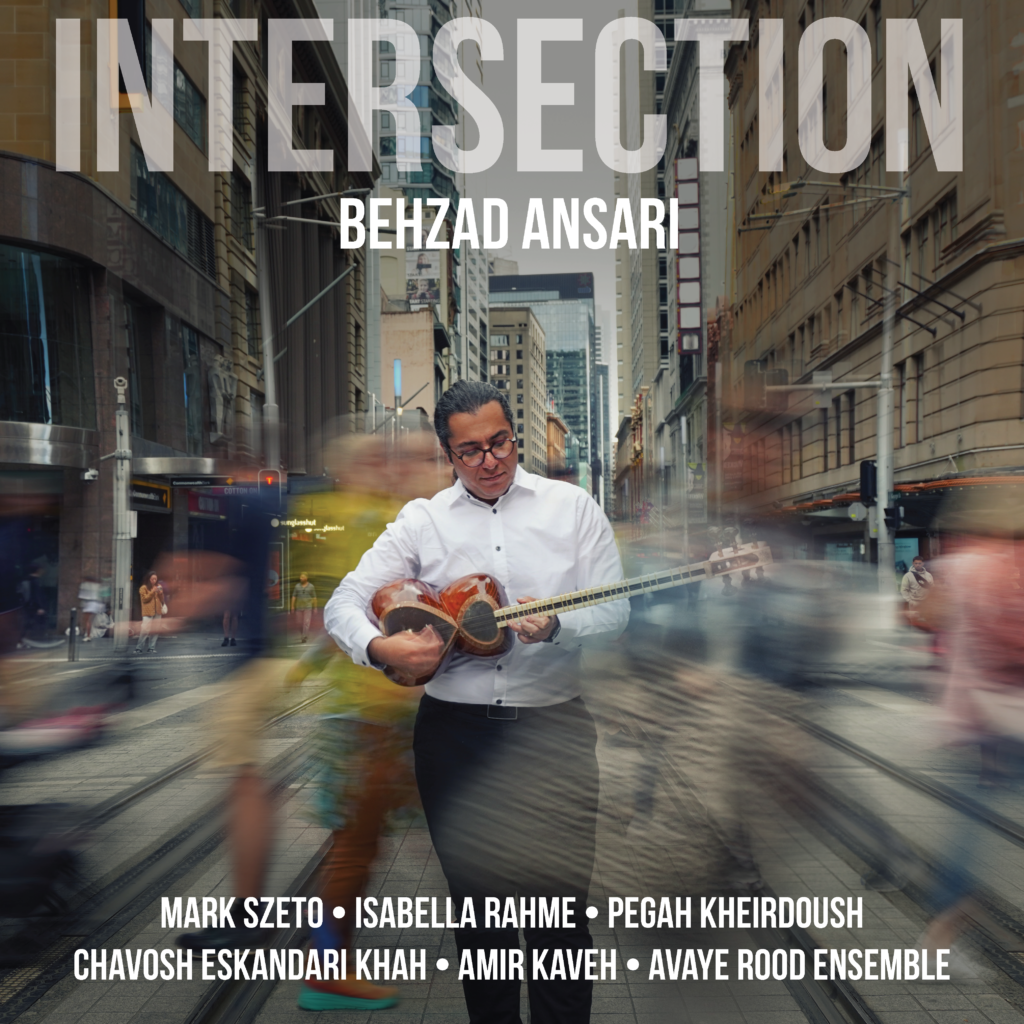
The new album by Behzad Ansari
Released: 5 August 2026
Bringing together musicians from Tehran, Melbourne and Sydney, Intersection combines Persian instruments with harp, double bass, handpan and contemporary intercultural textures.
Stream or purchase the complete 17-track album on Spotify, Apple Music, Bandcamp and other major music platforms.
My research explores intercultural music composition through dialogue between Persian music and other musical traditions. It focuses on rhythmic cycles (adwār), modal systems (dastgāh), and microtonal tuning as compositional frameworks, bringing together historical theory and contemporary creative practice.
Through original compositions, collaborative performance, and practice-based research, the project investigates how traditional Persian musical structures can be reimagined within modern intercultural contexts.
Niyāyesh is conceived within an ālāp–āvāz framework, drawing on the shared tradition of non-metric, exploratory performance found in both Hindustani and Persian classical music. Modal orientation evolves through continuous negotiation between Persian dastgāh logic and rāga-influenced melodic behaviour. Cyclical rhythmic continuity gradually becomes foregrounded through the adoption of Hindustani rhythmic principles, most notably the Tintāl framework (16-beat cycle).
This recording features the Persian setār, whose timbral sensitivity and microtonal flexibility closely align with the contemplative character of the piece.
The instrument’s overall tuning was transposed downward by approximately one and a half steps(A), and the third string was retuned to the tonic to function as an open drone. This adjustment created a more resonant and structurally responsive tuning environment, enabling clearer interaction between Persian and Hindustani modal tendencies.
Insurgency is a composition for setar, tabla, and ensemble presented as part of my Doctor of Creative Arts research, “When Cultures Converse: A Persian–Indian Musical Dialogue.” The work investigates how Persian rhythmic cycles can function as flexible structural and expressive units within intercultural ensemble collaboration. Rather than relying on a single recurring metric framework, the piece unfolds through successive Persian cyclical patterns. Rehearsal-based development played a critical role in shaping the final form, revealing that rhythmic coherence emerges through embodied performance, listening, and negotiation between musicians rather than through theoretical design alone.
This composition marks a shift from outward intercultural dialogue toward a deeper engagement with the internal logic of Persian classical music and the radīf.
The ensemble was invited to enter a shared modal space shaped by the Persian dastgāh system. Musicians from diverse stylistic backgrounds adapted their instrumental techniques, tuning strategies, and phrasing behaviours to engage with Persian intonation,and cyclical melodic development.
Rooted in the modal environment of Homāyoun, the composition draws on the expressive character and structural tendencies of key gūsheh-hā, including darāmad, Chakāvak, Bidād, and Owj.
This composition is informed by a Persian poem by Rumi and investigates the translation of poetic meaning into music through Persian rhythmic and modal systems. Grounded in the Dastgāh of Shour, the work explores cyclical rhythm, melodic development, and microtonal inflection as compositional tools. Through bilingual text setting (Persian and English) and intercultural collaboration, the piece examines how traditional Persian musical structures may be recontextualised within contemporary performance practice.
Sea is an intercultural composition exploring the gradual convergence of Persian modal systems, rhythmic cycles, and poetic expression. Moving from non-metric āvāz to structured rhythm, the piece reflects a journey toward unity and transformation.
Behzad Ansari is a composer, multi-instrumentalist and researcher. He is the founder and artistic director of Avaye Rood Ensemble, established in 2006. He is a Doctor of Creative Arts reserach connects Persian music with diverse musical traditions through composition, performance and collaboration. He has presented work across Asia, Europe and Australia. Released in August 2026, his 17-track album Intersection brings together musicians from Tehran, Melbourne, Sydney and Wollongong.

Culture Mix Festival: Presented intercultural music at the multicultural festival in Wollongong.
Intersection: Released the 17-track album on 5 August 2026, bringing together musicians from Tehran, Melbourne, Sydney and Wollongong.
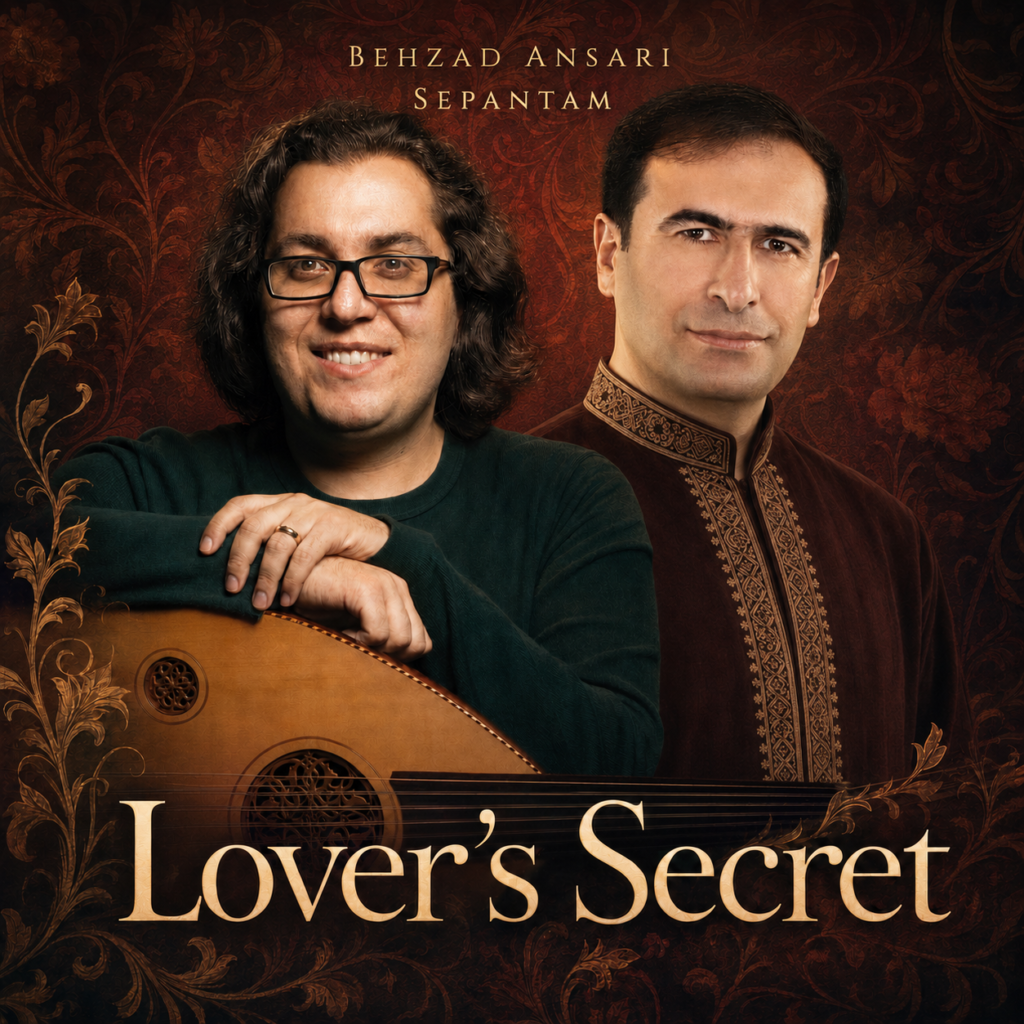
Lover’s Secret: Re-released the album internationally on major streaming platforms in July 2026.
With Dancing Hands: Released this original composition as a single in 2026.
Official Artist Channel: YouTube verified Behzad Ansari’s Official Artist Channel in July 2026.
Western Sydney University: Commenced as a Casual Academic in the Bachelor of Music programme in September 2026.
Nowruz Festival – Cumberland City Council, Merrylands: Behzad Ansari and Avaye Rood presented Persian and intercultural music as part of this major community celebration of cultural diversity, renewal and the Persian New Year.
CiSad (Gaat) – Norwest Convention Centre (Hillsong): Behzad Ansari appeared as a guest tar performer in the Sydney presentation of this international concert-theatre production, performing alongside visiting artists from Iran.
Interventions and Intersections HDR Conference – Western Sydney University: Behzad Ansari and Avaye Rood presented an intercultural music performance as part of a conference connecting people, cultures and ideas through research and creative practice.
The Light of Rumi – Marrickville Town Hall: Behzad Ansari and Avaye Rood Ensemble presented Persian music and Rumi’s poetry through intercultural collaboration, bringing Persian rhythmic and modal traditions into dialogue with musicians from diverse cultural backgrounds.
Sydney MicroFest 7: Behzad Ansari and Avaye Rood Ensemble performed at the Kogarah School of Arts in Sydney, presenting intercultural and microtonal music as part of the festival’s seventh edition.
The Light of Rumi: Avaye Rood Ensemble presented a major concert inspired by the poetry and philosophy of Rumi, bringing Persian musical traditions together with contemporary intercultural composition.
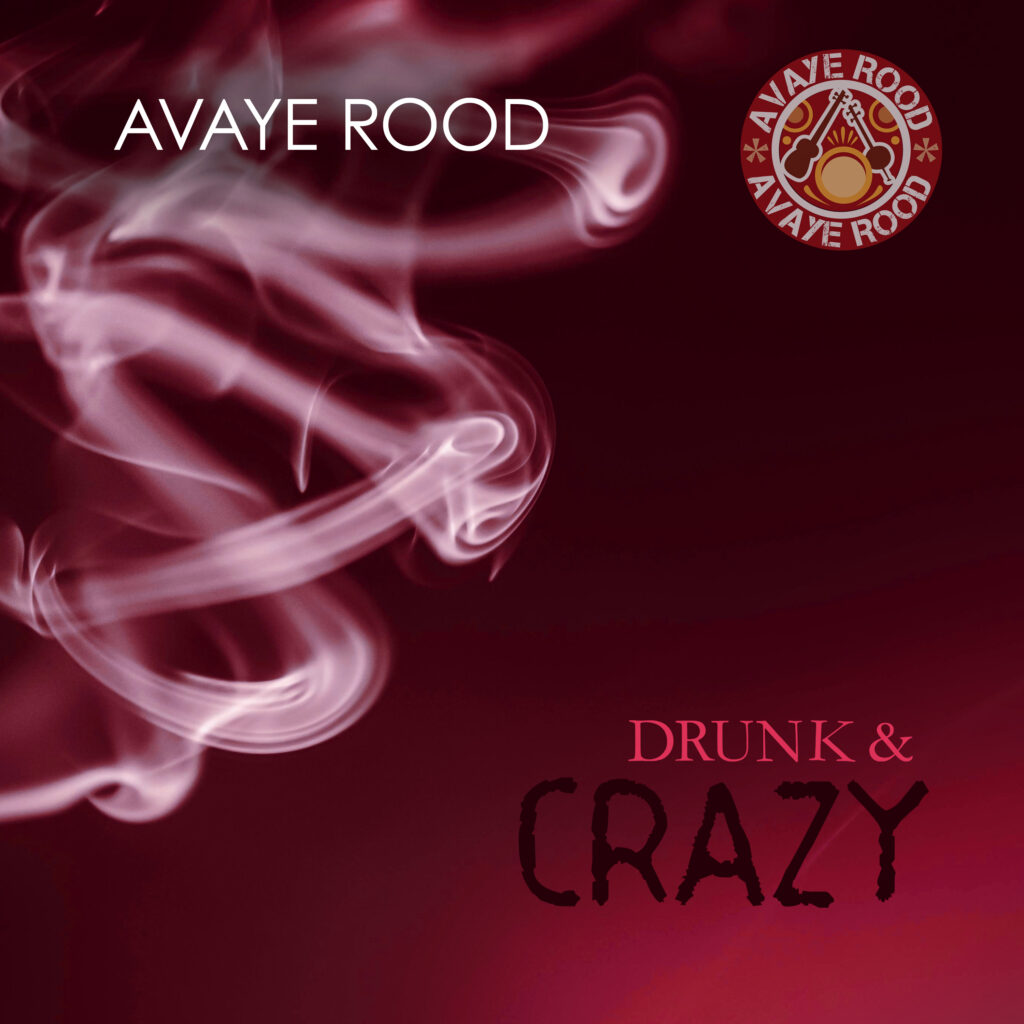
Drunk and Crazy: Behzad Ansari and Avaye Rood released this original composition, inspired by the mystical poetry of Rumi.
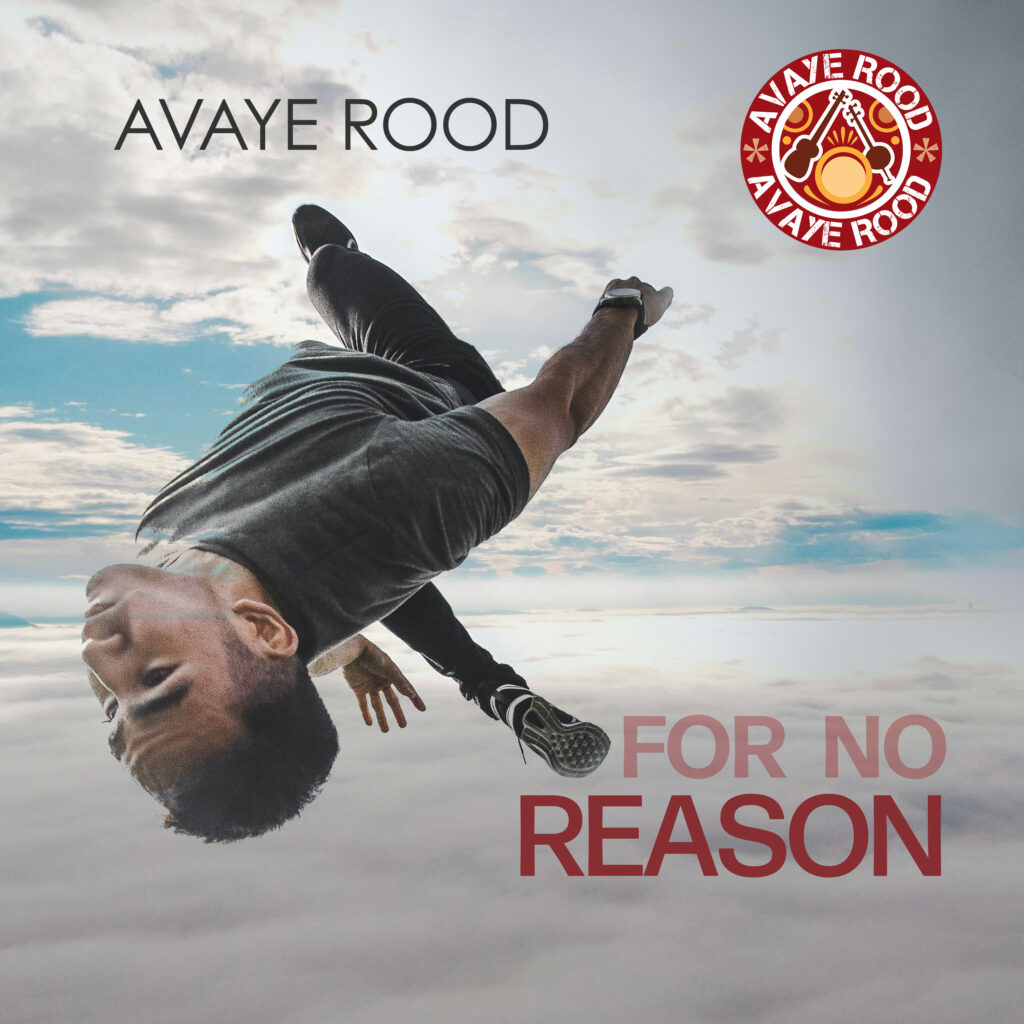
For No Reason: Avaye Rood released this live performance featuring Persian poetry and an intercultural musical arrangement.
Delbar: Behzad Ansari and Avaye Rood released this Persian-fusion work, combining elements of traditional Persian music with a contemporary ensemble sound.
Culture X Festival – Bankstown Arts Centre: Behzad Ansari and Avaye Rood Ensemble presented an intercultural music performance on 14 September, bringing Persian musical traditions into dialogue with diverse contemporary sounds.
Recording Collaboration with Emma Greenhill – Heckler Sound Project: Behzad Ansari collaborated with Australian media composer Emma Greenhill to record Persian instrumental material and explore its integration into cinematic storytelling, contributing to his practice-based research in intercultural composition.
South of Sydney Tour: Presented performances across Goulburn, Queanbeyan, Kiama, Port Kembla and Nowra.
ABC Radio Canberra: Featured in a live interview and performance during the regional tour.
New Beginnings Festival: Performed at the Australian National Maritime Museum in collaboration with Settlement Services International (SSI).
SSI Official Event: Performed at the Marriott Hotel in Sydney for an international gathering of community and sector representatives.
Shakti Spirit – Ashfield Civic Centre: Behzad Ansari performed as a guest tar artist in this charity concert led by Sandy Evans, collaborating with Nadhamuni Gayatri Bharath, Jess Green and Prahlad Iyer in an intercultural program connecting jazz, Indian Carnatic and Persian musical traditions.
Second Iranian Music Festival of Sydney: Behzad Ansari and Avaye Rood presented highlights of Persian traditional music at the festival’s second edition in October 2024.
Hit Factory Residency – Bankstown Arts Centre: Behzad Ansari joined an intercultural ensemble led by producer Richard Petkovic.
2023
University of Technology Sydney: Presented a Yalda Night performance celebrating Persian music and culture.
Culture Mix and Culture X Festivals: Presented intercultural music at festivals in Wollongong and Sydney.
First Iranian Music Festival in Sydney: Presented selected works from Persian traditional music.
Winter Music Festival: Performed original compositions in Blacktown.
Cultural Arts Collective: Presented an Iranian–Indian collaborative concert.
Australian Indian Orchestra: Participated in the Symphony of Lights and Sydney to Mumbai concert projects.
Culture X Festival – Pratten Park Bowling Club: Behzad Ansari and Avaye Rood presented Persian and intercultural music at this Sydney community festival on 10 September 2023.
Pathways Music Festival – Pratten Park Bowling Club, Ashfield: Behzad Ansari and Avaye Rood presented Persian-fusion music alongside artists from diverse genres at this community festival, organised by Sacred Currents and Cultural Arts Collective.
Persian Sound of the River – Pratten Park Bowling Club: Behzad Ansari led Avaye Rood Ensemble in a Persian music concert presented by Cultural Arts Collective, performing tar, setar and oud alongside voice, kamancheh, percussion, double bass and tabla on 25 March 2023.
Community Migrant Resource Centre: Presented live music in collaboration with Persian calligraphy.
NSW Federation of Community Language Schools: Led a student performance with Ryde Persian School at the organisation’s annual celebration.
Lover’s Secret: Released the original album in Iran.
The Boite: Directed an online multicultural performance involving musicians based in Australia, Canada and Iran during the COVID-19 pandemic.
Rudolf-Oetker-Halle: Performed in Bielefeld, Germany, by invitation of the Bielefeld Cultural Office.
Athens, Greece: Invited by the Embassy of Iran to introduce Persian music to Greek audiences.
Shahriar Television Series: Appeared as a musician in four episodes of the Iranian national television production.
Presented concerts and original musical projects at venues across Iran.